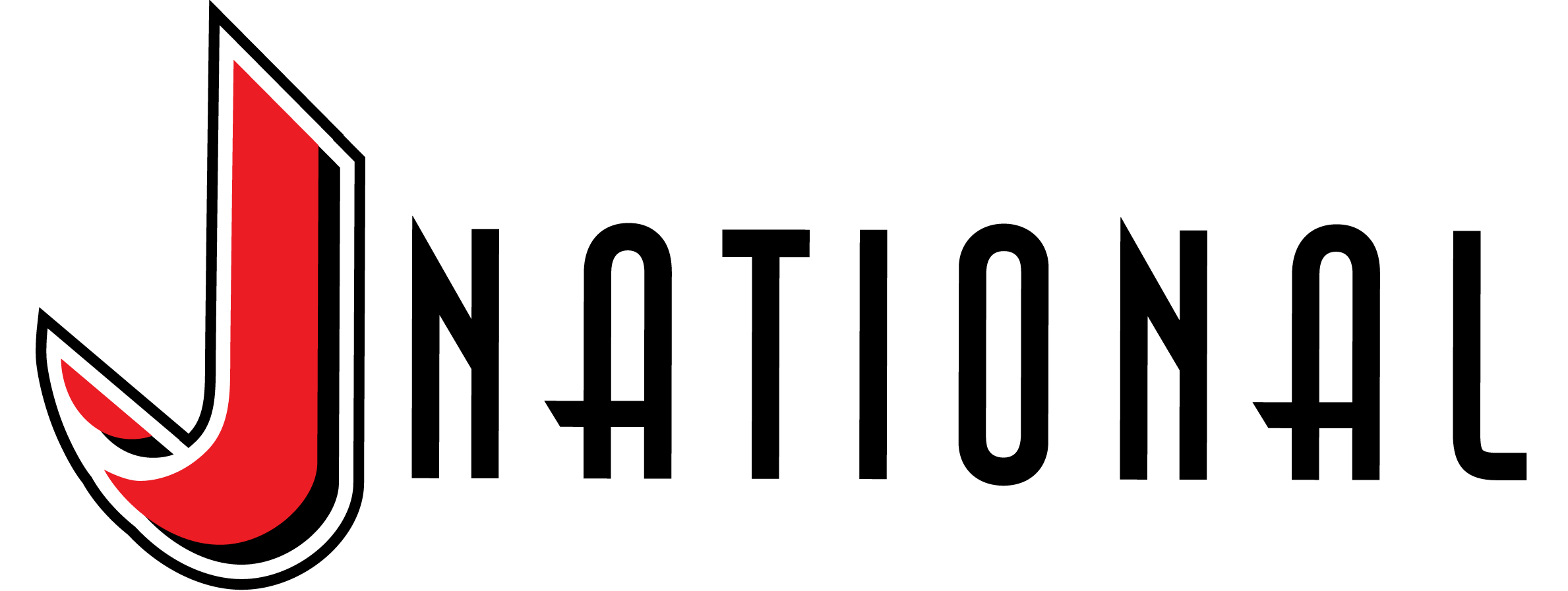
When temperatures drop in Texas, unprotected pipes are at high risk of freezing and bursting, causing costly damage. A single frozen pipe can release up to 250 gallons of water daily when it thaws, leading to average repair costs of $15,500. Protecting your pipes requires a combination of insulation, sealing gaps, and maintaining indoor temperatures. Here’s what you need to do:
- Insulate pipes in attics, crawl spaces, and garages using foam sleeves, fiberglass, or heat cables.
- Seal gaps around doors, windows, and utility openings to keep cold air out.
- Maintain a minimum indoor temperature of 55°F, even in vacant properties.
- Prepare outdoor fixtures by draining hoses, covering faucets, and insulating backflow preventers.
- Install smart leak detection systems for early warnings of freezing or bursts.
For properties with recurring issues, consider replacing pipes with freeze-resistant materials like PEX or installing recirculating pumps to keep water moving. Proactive steps can save you from expensive repairs and insurance claim headaches.
Freezing weather heading to Houston: How to protect your pipes before Arctic air arrives
Insulating Pipes to Prevent Freezing
Insulating your pipes is one of the simplest and most effective ways to prevent freezing. In Texas, where plumbing often runs through unheated spaces, insulation slows down heat loss and helps ensure water keeps flowing, even during frigid weather. Start by identifying areas that are most at risk and selecting the right materials for the job.
Finding Pipes at Risk of Freezing
Begin by inspecting your property for vulnerable pipes. Attics are a common trouble spot in Texas homes since pipes there are prone to failure during winter storms. Don’t forget to check crawl spaces, garages, basements, and parking areas that aren’t connected to your central heating system.
Pay close attention to pipes along exterior walls, near foundation entry points, and around utility openings where cold air can seep in. Outdoor fixtures like hose bibs, swimming pool supply lines, and irrigation systems are especially exposed to freezing temperatures. Sprinkler system backflow preventers, often made of brass, are particularly susceptible because they are above ground and unprotected.
Inside the home, under-sink plumbing in kitchens and bathrooms located along exterior walls is also at risk. Keep cabinet doors open in these areas to allow warm air to circulate and reduce the chance of freezing.
Choosing the Right Pipe Insulation Materials
There are several options for insulating pipes effectively:
- Foam pipe sleeves: These are easy to install – just slip them on and secure them with duct tape at the joints.
- Fiberglass insulation: Ideal for larger areas like attics and crawl spaces, fiberglass provides reliable coverage.
- Heat tape or heat cables: For areas with chronic freezing issues, UL-listed heat tape or cables offer active warming. These require a power source and must be installed according to the manufacturer’s instructions.
“Do not leave any gaps between the method of insulation! Cold air could still penetrate the pipes through any spots left uncovered.”
For outdoor fixtures, use hard plastic or foam covers on hose bibs. Wrap backflow preventers with a towel or heater blanket, secure them with duct tape, and cover with plastic for added protection. If you’re in a pinch, even a tight layer of newspaper – about 1/4 inch thick – can provide temporary insulation.
Considering that the average frozen pipe claim costs $15,500, these affordable insulation measures are a smart investment to protect your property and wallet.
Sealing Gaps and Controlling Indoor Temperatures
Gaps and cracks in your home can let cold air seep in, drastically lowering temperatures around pipes. That’s why sealing these openings and setting your thermostat correctly are essential steps to protect your property during winter. These measures, when paired with proper insulation, create a solid defense against freezing temperatures.
Sealing Doors, Windows, and Utility Openings
Even small gaps can let in enough cold air to cause problems. Pay close attention to areas where pipes, electrical wiring, cables, and dryer vents pass through walls and foundations. Use caulk or spray foam to seal these openings effectively. For crawl spaces and foundation vents, block airflow by sealing them tightly.
For doors and windows, install door sweeps under exterior doors and apply weatherstripping around the frames. If drafts persist, you can temporarily stuff towels or blankets into gaps under doors to stop cold air from sneaking in.
Don’t forget to check your attic insulation. Thin or damaged insulation in unheated spaces can expose pipes to extreme cold, increasing the risk of freezing. Repair any weak spots to ensure pipes stay protected.
Setting Thermostats to Prevent Freezing
Thermostat settings play a big role in keeping your pipes safe. Always keep indoor temperatures at a minimum of 55°F, even if the property is vacant or tenants are away. For occupied homes, aim for 68°F to balance comfort and pipe protection. Consistency is key – avoiding nighttime temperature drops during a freeze is crucial, as this could lead to frozen pipes in wall cavities.
“Your thermostat should never be set lower than 55 degrees.”
To prevent cold spots, keep interior doors open so warm air can circulate throughout the home. Running ceiling fans in reverse (clockwise) can also help push warm air down into living spaces. On sunny days, open curtains and blinds to let natural sunlight warm the room. If you manage multifamily properties, remind tenants to maintain the 55°F minimum during cold weather.
Consider this: a crack as small as one-eighth of an inch can release up to 250 gallons of water per day once it thaws. By sealing gaps and managing temperatures, you’re not just saving energy – you’re also preventing costly water damage. These small but effective steps ensure your property stays safe, even during harsh winter conditions.
Preparing Properties Before Cold Fronts Arrive
Getting ready for freezing weather ahead of time is crucial. Waiting until temperatures plummet often leaves little room to act. By establishing a solid pre-winter routine, you can protect your property and avoid costly emergency repairs when the cold sets in.
“The good news is that winterizing your home is straightforward, affordable, and far less costly than dealing with the damage caused by broken pipes.”
Here’s a sobering fact: frozen pipe claims averaged $15,500 in 2020. Add to that, water expands by 9% when it freezes, putting pipes at serious risk once temperatures hit 20°F or lower. A little preparation goes a long way, so start with a checklist to protect those vulnerable areas.
Pre-Winter Maintenance Checklist
- Garden Hoses and Outdoor Faucets: Disconnect and drain garden hoses, then store them indoors. Cover outdoor faucets with insulating foam domes to shield them from the cold.
- Sprinkler Systems and Pools: Shut off the main valve to your sprinkler system and drain the underground lines to prevent expansion damage. For pools, keep the pump running continuously during freezing weather to ensure water keeps moving.
- Main Water Shut-Off Valve: Test your main water shut-off valve before winter arrives. This valve, usually located near the street under a metal lid, must work smoothly in an emergency. If it’s stiff or stuck, call a plumber to replace it immediately. A faulty valve is the last thing you want to discover during a midnight pipe burst.
- Furnace and Chimney: Schedule an inspection for your furnace and chimney before the first freeze. These systems will be working overtime, and a breakdown could leave your pipes exposed to freezing temperatures.
- Insulation and Weatherproofing: Check attic insulation to ensure it’s sufficient to keep heat in the living space and protect ceiling pipes. Replace worn weatherstripping around doors and windows, and seal gaps in exterior walls with durable caulk.
- Backflow Preventers: Wrap above-ground fixtures with insulation or heater blankets, securing them with duct tape.
- Vacant Properties: If you’re managing a vacant unit, turn off the water at the shut-off valve and set the thermostat to at least 65°F. Many insurance policies won’t cover frozen pipe damage if reasonable precautions weren’t taken.
Installing Smart Leak Detection Systems
Smart leak detection systems can be a game-changer, providing early warnings when water flow or pressure changes signal ice formation or a pipe rupture. These systems are especially useful for property managers or homeowners who travel during winter, as remote alerts allow for immediate action before a minor leak escalates into a major disaster.
Modern systems connect to smartphone apps, enabling remote monitoring and shut-off capabilities. When installing these systems, ensure they don’t interfere with essential meter functions.
Smart systems can detect subtle issues like trickling water or pressure drops – common signs of a frozen pipe. However, they work best when paired with physical preparations. For example, if you’re heading out of town for the holidays, turn off the water at the main shut-off valve and keep your thermostat set to at least 65°F. Think of smart leak detection as part of a broader prevention strategy, not a standalone solution.
sbb-itb-c0ea5e9
Handling Frozen or Burst Pipe Emergencies
Even with thorough preparation, emergencies can still spiral out of control. When a pipe freezes or bursts, acting quickly can make all the difference between a manageable situation and extensive water damage. For instance, during the February 2021 freeze, thousands of homeowners faced the nightmare of broken pipes.
What to Do When Pipes Freeze
“If you turn on a faucet and only a trickle comes out, suspect a frozen pipe.”
Start by keeping the faucet open. Even a small flow of water can help speed up the thawing process while also relieving pressure in the pipe. If one pipe is frozen, it’s a good idea to check other faucets, as multiple pipes may be affected.
To thaw the pipe, use a hair dryer, heating pad, or towels soaked in hot water. Start heating the pipe near the faucet and work your way toward the frozen section. Never use an open flame, as this poses a serious fire hazard and can damage the pipe.
If a pipe has already burst or you can’t locate the frozen section, shut off the main water supply immediately. The main shutoff valve is typically near your water meter, often found in the garage or front yard. Once the water is off, open all faucets to drain the remaining water from the system. If the valve is stuck or rusted, call a professional immediately. Similarly, if your DIY efforts to thaw the pipe don’t work or the frozen area is inaccessible, turn off the water and contact a licensed plumber without delay.
If these steps aren’t enough to resolve the issue, professional help is essential.
Arranging Professional Repair Services
Quick action is crucial when dealing with water damage, as many insurance policies require prompt reporting and repairs to cover claims. Keep contact information for reliable emergency services, like J National, on hand. Their 24/7 services can handle water extraction, structural drying, and mold prevention.
When contacting a professional, have the following details ready:
- The location of the problem (e.g., attic, crawl space, or behind a wall)
- Whether the main water valve has already been shut off
- Any visible standing water or flooding
- For older homes, mention if asbestos may be present, as it requires special handling
Take photos of the damage to support your insurance claim and provide restoration teams with a clear understanding of the situation.
Permanent Solutions for Chronic Freezing Problems
If your property faces repeated freezing issues, quick fixes won’t cut it. To stop the cycle of damage and avoid costly emergency repairs every winter, it’s time to consider permanent upgrades. These solutions address the root of the problem, ensuring your pipes can handle even the toughest cold snaps.
Replacing Pipes with Freeze-Resistant Materials
The type of material your pipes are made from plays a huge role in how well they withstand freezing temperatures. PEX (cross-linked polyethylene) is a standout choice for freeze resistance. Its flexibility allows it to expand slightly when water inside freezes, then return to its normal shape after thawing – avoiding cracks and breaks. This makes PEX especially useful for retrofitting in tight spaces like crawlspaces, where traditional rigid pipes often fail.
“PEX pipes bend around corners, reducing the need for fittings and joints… PEX expands instead of cracking, making it a wise choice in colder climates.”
Copper pipes, while long-lasting and durable, are more prone to freezing because they conduct heat quickly and lose warmth just as fast. If you plan to stick with copper, make sure to insulate it thoroughly with foam sleeves or heat tape. Stainless steel is another option, offering excellent resistance to low temperatures and strong structural integrity, though it’s a pricier choice. On the other hand, PVC and CPVC pipes should be avoided in freeze-prone areas. These materials tend to become brittle in cold weather, making them more likely to crack during freeze-thaw cycles. If your property still has older galvanized steel pipes, replacement is a must – they rust internally and are highly susceptible to splitting when frozen. Beyond upgrading materials, keeping a small, continuous flow of water through your pipes can further reduce freezing risks.
Adding Recirculating Pump Systems
Recirculating pumps are another effective way to combat freezing. These systems keep water moving, which makes it harder for ice to form. Even a slow trickle of running water can stop temperatures from dropping low enough to freeze. Additionally, the movement relieves pressure buildup caused by water expanding as it freezes, protecting your pipes from ruptures. Pairing a recirculating pump with regular maintenance ensures your system stays reliable during freezing weather.
Scheduling Annual Winterization Inspections
Homes in Texas often lack the insulation and weatherproofing found in colder regions, which makes annual winterization inspections a smart investment. These inspections can uncover weak points – like outdated insulation, exposed pipes in unheated areas, or gaps around utility openings – that could lead to freezing problems. Key inspection tasks include checking that pipes in attics, crawlspaces, and garages have adequate foam sleeves, ensuring your HVAC system keeps indoor temperatures above 55°F, and testing your main water shutoff valve for reliability.
Taking these steps isn’t just about prevention – it can also protect you financially. Some insurance policies may deny claims for freeze damage if you haven’t taken reasonable measures to winterize your property. Companies like J National offer professional assessments to help property managers identify vulnerabilities and implement solutions before winter strikes. By addressing these issues proactively, you can avoid recurring freeze damage and keep your property protected year after year.
Conclusion
To prepare for winter effectively, combine insulation, gap sealing, and smart monitoring systems into a solid plan. These steps are essential for protecting your property’s infrastructure during harsh weather conditions.
Defending your property against Texas cold fronts calls for a multi-layered approach. Start by wrapping exposed pipes in attics, crawl spaces, and garages with foam sleeves or UL-listed heat tape. Use caulk or spray foam to seal gaps around utility openings, keeping cold air from creeping in. Inside the home, open cabinet doors under sinks to allow warm air to circulate around pipes that are more likely to freeze.
Don’t forget outdoor fixtures – cover them properly and test your main water shutoff valve to ensure it’s working. During extreme cold, let faucets drip slowly to relieve pressure in the pipes, but always follow local guidelines for water conservation.
“By taking simple steps now, you could head off thousands of dollars of water damage to your walls, ceilings, carpets, and furniture.”
Keep in mind, insurance claims may be denied if you haven’t maintained heat or taken basic precautions, making prevention a much cheaper alternative to costly repairs. For properties prone to repeated issues, consider long-term fixes like PEX pipe replacements, recirculating pump systems, or smart leak detectors to address the root causes.
If you do experience an issue during a cold front, or if you’d like help preparing your property ahead of time, J National is here to help. We provide 24/7 repair services across Texas, including plumbing, electrical, HVAC, and full-scale repairs for multifamily, commercial, and residential properties. Whether it’s an emergency or a proactive assessment, our team is available whenever you need support.
You can reach us anytime by phone, email, or by requesting a free estimate through our website and we’ll be ready when you need us most.
FAQs
What are the best materials to insulate pipes and prevent freezing in Texas cold fronts?
When preparing for Texas cold fronts, some of the best materials for insulating pipes include foam pipe insulation, fiberglass wraps, and heat cables. Foam and fiberglass act as strong thermal barriers, helping to hold in heat, while heat cables provide direct warmth to prevent pipes from freezing. These solutions are especially effective for exposed pipes in vulnerable spots like crawl spaces, attics, and garages.
To protect outdoor faucets and hose bibs, insulated covers are a must-have. Combine these with sealing any gaps around pipes and disconnecting outdoor water sources to ensure full protection against freezing temperatures. These straightforward steps can help you avoid expensive repairs and water damage when cold fronts hit unexpectedly.
How can smart leak detection systems protect properties from frozen pipe damage?
Smart leak detection systems are a game-changer for protecting properties from damage caused by leaks or burst pipes during freezing weather. These systems can quickly identify issues and send alerts to property owners or managers, allowing them to act fast, shut off the water, and limit the damage.
Many of these systems go a step further by monitoring water flow and spotting unusual patterns. This not only helps prevent expensive repairs but also reduces water waste. Acting as an early warning system, they offer peace of mind during cold spells and help keep your property safe.
What should I do right away if a pipe freezes or bursts?
If a pipe freezes or bursts, your first move should be to shut off the main water supply right away. This stops the water flow and helps limit any further damage. Afterward, open all the faucets to drain any leftover water from the system.
For frozen pipes, gently thaw them using a safe heat source like a hairdryer or a space heater. Steer clear of open flames or high-heat tools, as they can damage the pipes or even start a fire.
If a pipe has already burst, it’s important to call a licensed plumber promptly to manage the repairs and evaluate the situation. J National services most of Texas so call (972) 776-0010 if you live in Texas and we can dispatch a licensed plumber immediately! Acting quickly can help you reduce water damage and keep repair costs under control.